Left Bank Cider Fundraiser
Thank You Catskill!
With your help we raised over $750 to plant more trees in the village. And a HUGE thank you to Left Bank Ciders for hosting this fantastic Soup Night!

With your help we raised over $750 to plant more trees in the village. And a HUGE thank you to Left Bank Ciders for hosting this fantastic Soup Night!
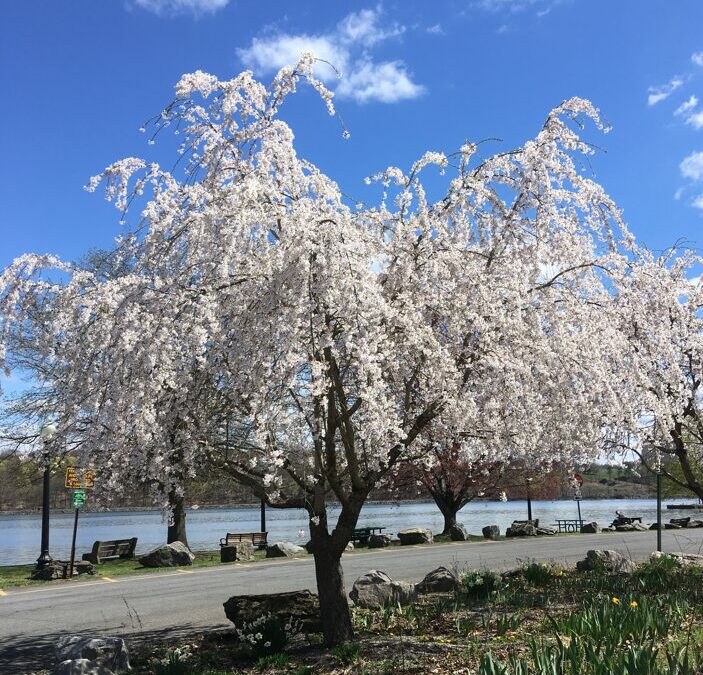
“Trees Matter” is a movement or initiative that underscores the critical importance of trees to our environment, communities, and overall well-being. This concept is rooted in the understanding that trees are not just aesthetic elements of our landscape but are vital components of our ecological system with far-reaching benefits. The “Trees Matter” initiative focuses on several key areas to advocate for the protection, preservation, and proliferation of trees. Here’s an overview of what “Trees Matter” is all about:
Trees play a crucial role in combating climate change by absorbing carbon dioxide (CO2), a major greenhouse gas, from the atmosphere during the process of photosynthesis. They release oxygen back into the air, providing the essential element that all humans and animals need to breathe. Trees also improve air quality by filtering pollutants from the air, helping to clean the environment.
Trees contribute significantly to the economy by providing raw materials for various industries, such as lumber for construction and pulp for paper production. In urban environments, trees can increase property values, reduce energy costs by providing shade in summer and acting as windbreaks in winter, and attract tourism and business by beautifying communities.
Trees have a profound impact on social well-being and public health. They create serene and aesthetically pleasing environments, which can reduce stress and improve mental health. Green spaces with trees are essential for recreation and physical activity. Studies have shown that neighborhoods with abundant trees have lower rates of certain health issues, including heart disease, obesity, and respiratory problems.
Trees support biodiversity by providing habitat, food, and protection for a wide range of species, including birds, insects, and mammals. The diversity of tree species in an area contributes to a healthier and more resilient ecosystem capable of withstanding pests and diseases.
The “Trees Matter” initiative often focuses on urban forestry, which involves the management and care of tree populations in urban settings for the purpose of improving the urban environment. Urban forestry practices aim to maximize the benefits trees offer to urban residents, including reducing heat island effects, managing stormwater runoff, and enhancing the livability of cities.
“Trees Matter” movements engage in advocacy, public education, and community involvement to raise awareness about the importance of trees. They encourage local, national, and global efforts to plant and maintain trees, protect existing forests, and implement policies that support sustainable management of trees and forest resources.
The initiative invites individuals, communities, organizations, and governments to take part in tree planting and maintenance activities, adopt green practices, and support legislation that protects and promotes tree growth.
In essence, “Trees Matter” embodies a comprehensive approach to recognizing and advocating for the critical role trees play in sustaining the health of our planet and enhancing the quality of human life. It calls for a collective commitment to not only appreciate the value of trees but also to take actionable steps toward their conservation and proliferation.

The importance of Arbor Days – Arbor Day is a special holiday dedicated to the planting, nurturing, and celebrating of trees. It is observed in many countries around the world, though the date on which it is celebrated varies, reflecting the local climate and optimal tree planting times. The essence of Arbor Day is to encourage individuals, communities, and organizations to plant trees, thus contributing to environmental conservation, beautifying landscapes, and raising awareness about the importance of trees for our planet’s health and for future generations.
The first Arbor Day was celebrated in Nebraska, United States, on April 10, 1872. It was the brainchild of J. Sterling Morton, a journalist and politician who moved from Detroit to the then tree-scarce Nebraska Territory in 1854. Morton, a lover of nature and trees, recognized the need for trees for shade, windbreaks, fuel, building materials, and soil conservation. To encourage tree planting, he proposed a special day to be dedicated to tree planting and environmental stewardship. The idea was officially adopted by the Nebraska Board of Agriculture, and the first Arbor Day was born. It is estimated that over one million trees were planted in Nebraska on the first Arbor Day.
Arbor Day goes beyond just planting trees; it embodies a deeper recognition of the critical role trees play in sustaining ecological balance. Trees are vital to our existence; they produce oxygen, sequester carbon dioxide, provide habitat and food for wildlife, stabilize the soil, and contribute to our well-being by offering shade and cooling, thereby reducing energy costs. Celebrating Arbor Day serves as a reminder of our collective responsibility to protect and manage our natural resources wisely.
Arbor Day celebrations can take various forms, depending on the location and community. Common activities include:
While the United States celebrates National Arbor Day on the last Friday in April, other countries have adopted their own versions of Arbor Day, aligning with the best tree-planting season in their climates. For example, India celebrates National Tree Planting Day during the onset of the monsoon season in July, and China observes Arbor Day on March 12. Regardless of the date, the global message of Arbor Day is universal: the planting and care of trees are imperative for the health of our planet and the well-being of future generations.
The legacy of Arbor Day is seen in the millions of trees planted each year, contributing to the reforestation of landscapes, enhancement of urban environments, and the fostering of environmental awareness and action. By participating in Arbor Day activities, individuals can make a tangible difference in their communities and the world, ensuring a greener, healthier future for everyone.
In summary, Arbor Day is a celebration of trees and their essential role in our lives. It’s a call to action for people everywhere to plant and nurture trees, thereby contributing to environmental sustainability, beautifying our surroundings, and enhancing the quality of life for all living beings.

Fall Tree Care – As the crisp air of fall begins to replace the warm summer breeze, it’s a signal for homeowners and garden enthusiasts to start preparing their trees for the colder months ahead. Fall is a crucial time for tree care, as the actions taken during these months can significantly influence a tree’s health and resilience through the winter and into the next growing season. This comprehensive guide will walk you through essential fall tree care practices to ensure your trees are well-prepared for the cold.
In fall, trees naturally begin to transition into dormancy, a period where growth slows down, and energy is conserved for the cold months ahead. This transition is not just about shedding leaves; it involves a series of physiological changes that make fall the ideal time for certain care practices. By providing the right support during this time, you can help strengthen your trees against winter’s challenges and promote their health and vitality.
Start with a detailed inspection of your trees. Look for signs of disease, damage, or stress, such as discolored leaves, dead branches, or fungi growth. Identifying issues early can help you take the necessary steps to mitigate problems before they exacerbate over the winter. It’s also a good time to assess the structural stability of your trees, checking for any limbs that may pose a risk in heavy snow or winter storms.
Fall pruning is about removing dead, diseased, or damaged branches to prevent them from becoming hazardous in winter storms. Pruning can also help shape the tree and remove any branches that may block sunlight or airflow to the tree’s interior. However, it’s important to avoid heavy pruning, which can stimulate new growth that won’t harden off before winter. Always use proper pruning techniques or consult a professional to ensure the health of the tree is maintained.
Even as temperatures drop, it’s vital to keep watering your trees until the ground freezes. Trees need to enter the winter months well-hydrated, as dry conditions can weaken them and make them more susceptible to damage. Deep watering is particularly important to ensure moisture reaches the roots, providing a sufficient water reserve that trees can access throughout the winter.
Mulching in the fall provides a host of benefits for trees. A proper layer of organic mulch can help regulate soil temperature, retain soil moisture, and reduce the likelihood of freeze-thaw cycles that can damage tree roots. Apply a 2-3 inch layer of mulch around the base of the tree, keeping it a few inches away from the trunk to prevent moisture buildup and potential rot.
Fall is an optimal time for fertilization, as it supports root growth throughout the winter and provides a nutrient boost for the spring. Use a slow-release fertilizer that matches the specific nutrient needs of your trees. Soil tests can be helpful to determine these needs. Proper fertilization can enhance the tree’s resilience to cold and disease.
Inspect your trees for signs of pests or diseases, and take appropriate action to address any issues. Fall is also a time when rodents and other animals start looking for food and shelter, which can lead to bark damage. Consider installing tree guards to protect the trunk from animals that may chew on the bark or use the tree as a nesting site.
Heavy snow and ice can cause branches to break, posing a risk to property and safety. While it’s not possible to completely prevent damage from severe weather, you can reduce the risk by removing vulnerable branches, cabling or bracing weak limbs, and promoting strong tree structure through proper pruning and care.
Young or newly planted trees require special attention in the fall. Ensure they are properly staked to withstand winter winds, and consider wrapping the trunk to protect against sunscald and frost cracks. Young trees may also benefit from additional mulch and water to help them establish a strong root system.
Fall tree care is not just about preparing for winter; it’s also about setting the stage for spring growth. By taking steps to protect, nourish, and strengthen your trees in the fall, you’re investing in their future health and vitality. Keep records of the care you’ve provided and plan for any necessary follow-up actions in the spring.
Proactive fall tree care is essential for promoting the health, beauty, and safety of your landscape. By taking the time to inspect, prune, water, mulch, and protect your trees, you’re not only preparing them to withstand the challenges of winter but also ensuring they have a strong foundation for growth in the coming year. Remember, healthy trees are more resilient to stress, disease, and severe weather, making your fall tree care efforts a wise investment in the longevity and vitality of your trees.

Preparing your trees for winter – As the vibrant colors of fall give way to the cold embrace of winter, the time comes to focus on preparing your trees for the challenges ahead. Winter can be harsh, with its freezing temperatures, heavy snowfalls, and brutal winds, all of which pose significant threats to the health and stability of your trees. This comprehensive guide will walk you through the essential steps to ensure your trees not only survive but thrive through the winter months, emerging strong and healthy come spring.
Winter brings a set of challenges that can affect trees both above and below ground. Freezing temperatures can cause the water inside a tree to freeze, potentially damaging the tree’s cell structure. Heavy snow and ice can break branches, and strong winter winds can uproot trees, especially those that are already weakened or diseased. Furthermore, the cold season also brings the risk of rodents and other pests seeking shelter and food, often at the expense of your trees’ health.
Begin your winter preparations with a thorough inspection of your trees in the late fall. Look for signs of damage, disease, or infestation, as these issues can worsen over the winter. It’s also essential to assess the structural integrity of each tree, paying close attention to any branches that appear weak or damaged.
Late fall or early winter, after trees have entered dormancy, is the ideal time for pruning. Removing dead, diseased, or damaged branches helps prevent winter storm damage and encourages healthier growth in the spring. Pruning also improves air circulation, which is crucial for the tree’s overall health. Remember, proper pruning techniques are essential to avoid causing unnecessary stress or damage to the tree.
Before the ground freezes, give your trees a deep watering, which will help them withstand the dry conditions often associated with winter. Following the watering, apply a thick layer of mulch around the base of the tree to help retain soil moisture, regulate soil temperature, and protect the roots from extreme cold. Ensure the mulch is not in direct contact with the tree trunk to avoid moisture-related diseases.
Young trees, thin-barked species (such as maples and cherries), and trees that are prone to sunscald should be wrapped for the winter. Tree wrap or plastic guards can protect the trunk from temperature fluctuations that lead to sunscald, as well as from browsing animals like deer and rodents. Remove the wraps in the spring to prevent moisture accumulation and overheating.
Newly planted trees or those with a shallow root system may require staking to help them withstand the weight of ice and snow, as well as the force of winter winds. Use flexible ties and stakes placed on opposite sides of the tree, allowing some movement. This flexibility encourages stronger root and trunk growth. Be sure to remove stakes and supports in the spring to avoid girdling and to encourage independence.
For certain evergreen species that are prone to winter burn, consider applying an anti-desiccant spray. These sprays form a protective coating over the leaves, reducing moisture loss during the winter. Follow the product instructions carefully for the best results.
To protect trees from rodents, consider placing a guard around the base of the trunk. These can be made of plastic or metal and should extend several inches below the ground and high enough above the snowline to be effective. Additionally, cleaning up fallen fruit and debris around trees can reduce the attraction for pests looking for food.
Fall is a good time to test your soil and address any nutrient deficiencies with appropriate fertilization. A well-nourished tree is more resilient to the stresses of winter. However, avoid late fall fertilization, which can stimulate new growth that won’t harden off before winter.
While it’s difficult to protect trees from heavy snow and ice fully, you can gently brush off snow from branches as it accumulates to prevent breakage. Avoid shaking the tree, as this can cause more damage. If ice forms, it’s best to let it melt naturally to avoid injuring the tree.
Winter preparation doesn’t end with immediate care. Long-term planning and selection of tree species that are well-suited to your region’s climate can significantly reduce winter stress on trees. Choosing native or hardy species ensures that your trees are naturally equipped to handle local weather conditions.
Taking the time to prepare your trees for winter can significantly impact their health and vitality. While winter care requires effort, the payoff comes in the form of resilient trees that not only survive the winter months but flourish in the spring. By following the steps outlined in this guide, you can protect your trees from the harsh realities of winter and enjoy a thriving landscape year after year.
Remember, the specific needs of your trees may vary based on species, age, and local environmental conditions. Consulting with a professional arborist can provide tailored advice and ensure that your trees receive the best possible care.

Summer Tree Maintenance – Summer’s arrival brings longer days, warmer temperatures, and the vibrant greenery of nature in full swing. However, the season’s heat and potential drought present unique challenges for trees. Mature trees and young saplings alike require thoughtful care to ensure they not only survive but thrive under the summer sun. This guide will walk you through essential summer tree maintenance practices, highlighting the importance of proactive care to protect your trees from the stresses of heat and drought.
Before delving into maintenance strategies, it’s crucial to understand how summer conditions affect trees. High temperatures and insufficient rainfall can lead to water stress, making it difficult for trees to maintain necessary hydration for photosynthesis and nutrient transport. Additionally, prolonged heat and dry conditions can weaken trees, making them more susceptible to pests, diseases, and environmental damage.
Watering is perhaps the most critical component of summer tree care. The goal is to mimic natural rainfall patterns to ensure deep water penetration, encouraging strong root growth. Here are some watering tips to keep in mind:
Summer pruning should be approached with caution, focusing on removing dead or diseased limbs that could pose a hazard or sap energy from the tree. Here are some considerations for summer pruning:
Fertilizing trees in the summer can be beneficial, but it must be done with care. Over-fertilization or using the wrong type of fertilizer can cause more harm than good, especially during drought conditions. Here’s how to approach summer fertilization:
Mulching serves multiple purposes in the summer tree care regimen. Beyond moisture retention, mulch helps suppress weeds, keeps soil temperatures stable, and adds organic matter to the soil as it decomposes. Remember to keep mulch a few inches away from the tree trunk to prevent moisture buildup and potential rot.
Summer can be a peak time for pests and diseases, which are more likely to attack stressed or weakened trees. Regular monitoring is essential for early detection and management. Integrated Pest Management (IPM) strategies, focusing on the most environmentally sensitive solutions, are recommended for addressing any issues that arise.
Throughout the summer, keep a close eye on your trees for signs of stress, such as wilting leaves, discoloration, or premature leaf drop. Early detection of these symptoms allows for quicker interventions to mitigate stress factors.
Young trees are particularly vulnerable to summer stress and require extra attention. Ensure they are adequately watered, protected from mechanical damage (like lawn mowers and trimmers), and supported with stakes if necessary. A proper start in their early years sets the stage for a lifetime of health and vigor.
In regions prone to extreme heat or drought, consider choosing drought-resistant tree species that are better adapted to handle the conditions. Additionally, implementing water-conservation practices in your garden, such as rainwater harvesting or using gray water for irrigation, can help ensure your trees receive the moisture they need during dry spells.
Protecting your trees from the heat and drought of summer is a testament to your commitment to the environment and the well-being of your landscape. By following these essential summer tree care practices, you can help ensure that your trees remain healthy, strong, and beautiful, even in the face of summer’s challenges. Water wisely, prune properly, and keep a vigilant eye on the health of your trees. Remember, the care you provide today will help secure the shade, beauty, and environmental benefits of your trees for many summers to come.


Tree City – The majestic Catskill Mountains aren’t the only things reaching for the sky in our vibrant village. Here in The Village of Catskill, we take immense pride not just in our breathtaking scenery, but also in our commitment to a healthy, sustainable future. That’s why we’re thrilled to be recognized as a Tree City USA community!
More Than Just a Label: The Heartwood of Tree City
Earning the prestigious Tree City designation from the Arbor Day Foundation signifies more than just a fancy label. It’s a testament to our village’s unwavering dedication to urban forestry – the thoughtful care and management of trees within our village limits. In simpler terms, it means we’re actively nurturing the very trees that grace our streets, parks, and backyards, ensuring they continue to thrive and offer us a multitude of benefits.
The Power of Trees: Beyond Beauty
Trees are the unsung heroes of our community. They’re far more than just pretty additions to our landscape; they’re the lungs of our village, tirelessly working to filter the air we breathe and provide a cool haven on scorching summer days. Their intricate root systems act as natural sponges, absorbing stormwater runoff and preventing flooding and erosion. Studies even show that a healthy tree canopy can boost property values and create a more peaceful, stress-reducing environment. In essence, trees are the very foundation of a healthy, vibrant community.
Earning the Title: A Collaborative Effort
Becoming a Tree City isn’t just about planting a few trees (although we do plenty of that too!). It requires a dedicated, collaborative effort on behalf of our village government and enthusiastic participation from residents like you. Here’s a closer look at the pillars that support our Tree City status:
The Benefits Bloom for Everyone
Being a Tree City isn’t just a badge of honor; it translates into tangible benefits for everyone who calls Catskill home. We can all breathe easier knowing our air is cleaner, enjoy the refreshing shade of mature trees on a hot day, and take pride in a more vibrant, beautiful village. The positive impact extends beyond our borders, contributing to a healthier ecosystem for the entire region.
Branching Out: How You Can Get Involved
There are countless ways you can become a part of our ongoing Tree City efforts and help us maintain this prestigious designation:
Together We Thrive
By working with Arbor Day Foundation, we can ensure that The Village of Catskill continues to thrive under the vibrant canopy of our urban forest. Let’s keep Catskill green, healthy, and a model community for responsible environmental stewardship. With your continued support and participation, we can ensure a future where our village and its trees flourish side by side.